From Overthinking to Flow: Insights from an Artist and Business Coach

The Paralyzing Grip of Overthinking
Overthinking is a creative and professional roadblock. Whether it’s hesitating to start a painting or doubting a well-laid business strategy, overthinking drains energy and stalls progress. As an artist and a coach, I’ve learned that the key to overcoming overthinking lies in balancing thoughtful preparation with decisive action. This article shares strategies to transition from analysis paralysis to a productive flow state, blending insights from both my creative process and coaching experience.
1. The Cost of Overthinking
Overthinking often feels like productivity, but it’s anything but. It’s a mental loop of constant questioning—“Is this the right color palette?” or “What if this plan fails?” Instead of moving forward, you remain stuck in hypotheticals, most of which never actually happen.
This mental drain not only delays action but also robs you of the joy and satisfaction that comes from doing.
In my coaching practice, I’ve seen this most often with women, who tend to analyze every detail before taking action. I remind them that thinking too much about a problem can be more exhausting than the action itself. The same applies to my art: the more I second-guess my choices, the harder it becomes to create freely.
2. Transition from Overthinking to Flow
Flow—that magical state where time disappears and focus sharpens—isn’t just for artists. It’s available to anyone willing to embrace action and trust their process. Here’s how I move from overthinking to flow in both my art and coaching:
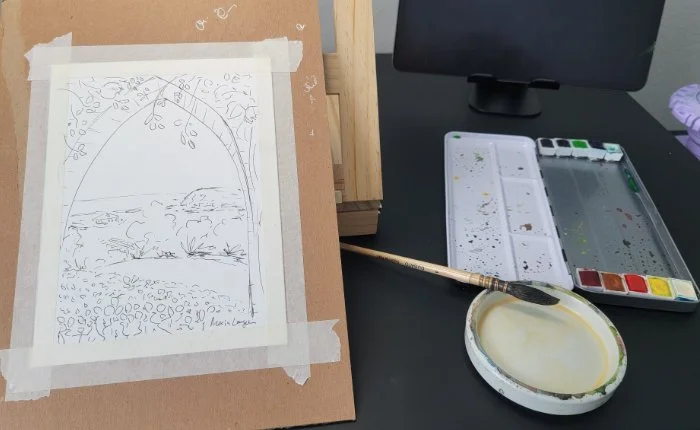
Start with a Plan: Just like I begin a painting with pencil sketches to ensure proportions are right, a clear plan provides direction. In coaching, this could be a detailed business strategy. Once the groundwork is laid, there’s no need to keep questioning it—trust the plan.
Break Tasks into Manageable Steps: Overwhelm feeds overthinking, and often, being overwhelmed is a sign of being under-planned. When I work on a watercolor, I break it into clear stages: pencil, ink, then layering colors. Similarly, I help clients identify actionable steps to simplify big goals and reduce overwhelm by breaking them into smaller, manageable tasks. For example, when setting appointments, I guide clients to first organize their contact list, then prepare what they will say during the call, and finally create a follow-up plan to maintain momentum
Create a Ritual to Begin: Flow often starts with a ritual. For me, it’s putting on headphones and listening to relaxing music before choosing a photo from my library to paint. For clients, creating a ritual might include clearing their desk space, preparing a cup of coffee or tea, opening their CRM, putting their phone on do not disturb, going over scripts, and visualizing success before diving into the task at hand.
3. Embracing Action: Lessons from Inking
In my art, the flow truly begins when I transition from pencil sketching to inking. The hard work of planning is done, and I can trust the structure I’ve created. This stage is about execution—a meditative process where I focus solely on the marks I’m making. It’s also where I feel the freest, having the most fun and embracing the possibility of making mistakes, knowing they can add character to the final piece.
This mirrors the coaching process. Once clients have a clear strategy, I encourage them to stop overthinking and just act. Often, the results will speak for themselves, and any adjustments can be made along the way. The act of doing becomes the path to clarity and success.

4. Overcoming Obstacles to Flow
Even with preparation, obstacles to flow can arise. Here are common challenges and how to tackle them:
Perfectionism: Remember, progress matters more than perfection, and done is better than perfect. In art, no line is ever truly "perfect," but it’s part of the bigger picture. Similarly, imperfect actions in business can still yield great results, and as you take action more consistently, you improve and see even better outcomes.
Distractions: Create an environment that supports focus. For me, this means a quiet space to paint; for clients, it might mean setting boundaries around email or social media.
Self-Doubt: Confidence builds with action. Each small success—whether it’s completing a painting or achieving a business milestone—reinforces your ability to keep going. However, we often tend to focus on small setbacks instead of recognizing where we’ve made progress. Shifting focus to your achievements can help build momentum and inspire continued effort.
5. The Fulfillment of Flow
Mastering the balance between preparation and action has transformed both my creative and professional life. Having a plan reduces stress, but the real joy comes from immersing myself in the process. Seeing a painting come to life or watching a client achieve their goals is deeply fulfilling. Most importantly, this approach helps me stay present, savoring the journey rather than getting lost in worry.
Trust the Plan, Embrace the Process
Flow is accessible to everyone. By reducing overthinking, breaking tasks into steps, and trusting your preparation, you can shift into a state of productive action. Whether you’re crafting a painting or building a business, the balance of planning and doing will unlock creativity, boost productivity, and bring a profound sense of purpose. So, take that first step, let go of the endless loop of thoughts, and immerse yourself in the process—flow is waiting for you.