3 Elements That Make a Painting Feel Coastal
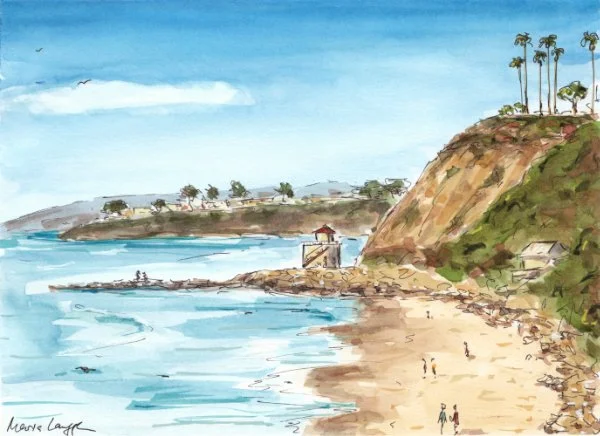
Have you ever seen a painting and immediately felt the breeze off the ocean or smelled the salt in the air? Some art has a way of transporting you straight to the coast—even without a single wave in sight. Here are three key elements that make a painting feel truly coastal.
1. A Light, Airy Color Palette
Coastal art is all about openness and light. The right palette sets the tone instantly:
Soft blues and seafoam greens evoke calm waters
Sandy beiges and off-whites ground the piece in beachy warmth
Pops of coral, driftwood gray, or turquoise add movement and energy
This palette reflects the natural colors of coastal environments, from foggy mornings to sunny afternoons by the sea.
2. Subjects That Tell a Beach Story
A coastal vibe often comes from the subject matter itself. Common themes include:
Shorelines, piers, beach towns
Boats, surfboards, shells, seabirds
Coastal vegetation like palms, grasses, or succulents
Even loosely interpreted, these subjects create a strong coastal association. Whether realistic or stylized, they signal the viewer’s imagination to shift to the sea.
3. A Sense of Ease and Space
There’s a rhythm to coastal life—unhurried, expansive, soft. That feeling often comes through in:
Minimal or open compositions
Soft edges or loose brushwork
Whimsical or nostalgic interpretations
Whether abstract or representational, coastal paintings tend to leave breathing room. They offer visual rest, like a long exhale.
My Coastal Approach
In my own watercolor and ink work, I combine all three elements: light coastal colors, meaningful beachside subjects, and an expressive style that leaves room for whimsy. Each piece is inspired by a real place—from the boardwalks of Dana Point to the surf culture of Laguna Beach—but told through a soft, dreamlike lens.
Looking for art that brings that feeling into your space? My coastal prints are designed to offer exactly that.